






22–23 February 2027 | Honolulu
The Crisis Communications Boot Camp has run in 40 cities worldwide across more than 60 editions, and senior communicators around the world rely on it. For the first time, it's coming to Hawaii with a line-up of our highest-rated speakers. This edition will not repeat.
When a crisis hits, you don't get time to think. You're expected to lead, often with half the facts, a CEO waiting for advice and the media already calling. In Honolulu you'll learn from people who have handled exactly that at Stanford University, Ben & Jerry's, Edelman, IBM, USA Gymnastics, Walmart, the DC Metropolitan Police Department and the University of Georgia.
Most crisis training teaches what should happen. This Boot Camp shows what actually happens. You'll hear real cases from the people who were in the room, including the decisions, the mistakes and the fixes. There are no generic frameworks or textbook scenarios, only lessons you can apply the next time your phone rings.
Heads of communications, PR, corporate affairs, internal communications, and reputation and risk leaders, plus anyone who gets the call when something goes wrong.
Day 1 gives you the insight. Day 2 is where you practice.
In a full-day hands-on workshop, Greg Trevor, Senior Advisor at the University of Georgia, who has 35+ years on the front line of crisis communications, puts you through the scenarios communicators face most often today:
You'll take part in social media response drills against the clock, mock media interviews with aggressive questioning and a high-stakes press conference simulation. You'll test your tone and language under pressure and learn to balance careful preparation with speed.
You'll leave with:
Senior-level, highly interactive, limited places. You'll spend two days with peers who face the same pressures you do, and you'll get time to connect with the speakers. Save $600 with Early Bird.
Group discounts: Crisis response is a team effort, and it works best when the team has trained together. Save up to 15%on group registrations. Contact Don at [email protected].
 Brochure download
The first 60 minutes decide everything else. Limited information, real pressure, and consequences that outlast the news cycle — this session breaks down what actually happens inside that hour: how leadership aligns, who gets to decide, and where good teams still get it wrong. Working through real-world cases, you'll build a practical framework for structuring your initial response, locking down decision authority, and avoiding the early missteps that turn a manageable situation into an escalating one. Leave with a playbook for taking control fast — and holding it as the crisis moves.
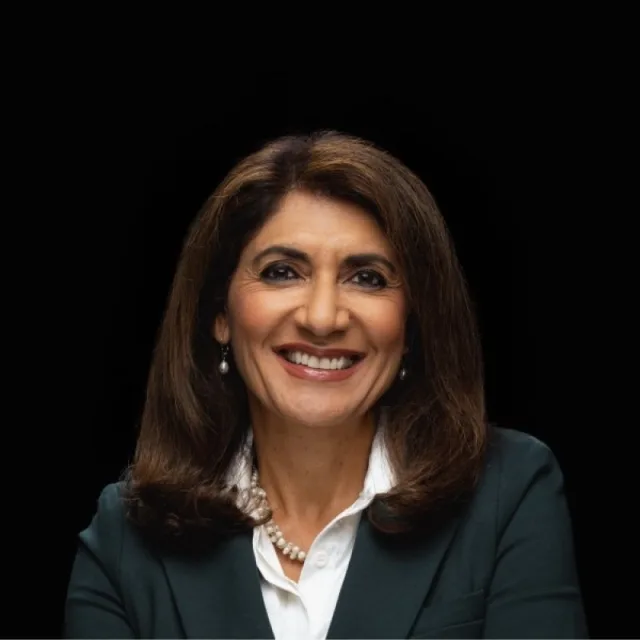
Farnaz Khadem, Vice President, University Communications, Stanford University
The old playbook — stay neutral, wait it out, say nothing — doesn't work anymore. Audiences expect brands to take a stand, and they expect it fast. This session goes inside the moments when backlash, boycotts, and cancel culture collide with a brand's values: how to decide when to speak, when to hold your ground, and when silence is the mistake. Drawing on real fights fought in the public eye, you'll leave with a framework for communicating with conviction in a divided moment — cutting through the noise, defusing outrage, and coming out the other side more trusted, not less.
Sean Greenwood, Grand Poobah of Public Relations, Ben & Jerry's
As AI-driven disinformation and deepfakes reshape the communications landscape, organizations face a new generation of crisis risk where false narratives can spread globally in minutes. In this session, Dave Fleet, Managing Director and Head of Global Digital Crisis at Edelman, will how generative AI has lowered the barriers for malicious actors – accelerating the speed, scale and sophistication of misinformation campaigns targeting brands, executives and institutions.
Drawing on the work of Edelman’s global Counter-Disinformation Unit, Dave will explore the societal and technological forces fueling today’s trust crisis, including synthetic media, automated influence operations and AI-generated content ecosystems. Attendees will gain practical insight into how misinformation impacts business outcomes – from reputational attacks and executive impersonations to market disruption and consumer backlash.
The session will also outline actionable strategies organizations can use to prepare for and respond to emerging threats, including proactive risk identification, narrative monitoring, crisis simulation and response planning. Attendees will leave with a modern framework for building resilience in an increasingly synthetic and fast-moving information environment.
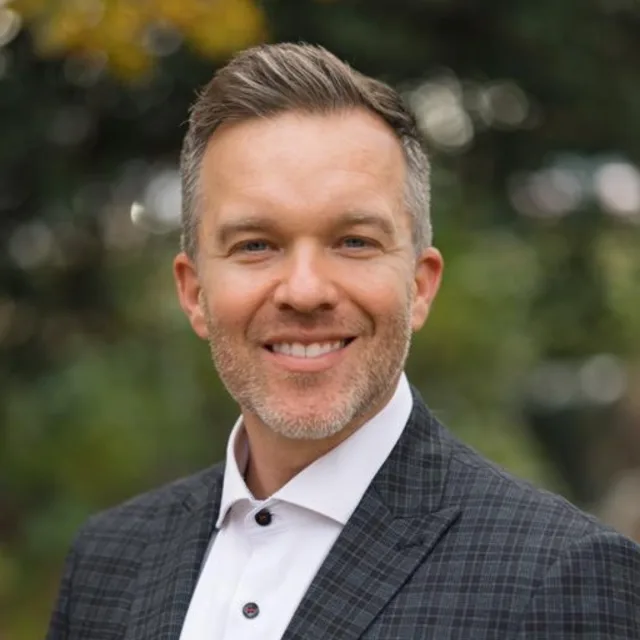
Dave Fleet, Managing Director, Global Head of Digital Crisis, Edelman
No crisis plan survives contact with a breached Capitol. This session goes inside the Metropolitan Police Department's response to January 6, 2021, when internal communications stopped being a support function and became the thing holding the operation together. You'll hear firsthand how disciplined, trusted messaging helped officers and leadership make decisions, stay coordinated, and keep morale intact while information was incomplete, conditions were changing by the minute, and the stakes were immediate. This isn't a case study in hindsight — it's a real-time account of what it takes to lead through chaos when events are outrunning your plan.
Dustin Sternbeck, Former Director of Communications, Metropolitan Police Department of the District of Columbia, Assistant City Manager, City of Manassas Park
During a crisis, clear and transparent internal communication is essential for maintaining trust and ensuring that all team members are aligned. This session will explore the best practices for delivering timely and consistent messages to employees, managing internal concerns, and fostering a supportive environment. Learn how to keep your workforce informed and engaged, while minimizing confusion and misinformation, even in the most challenging circumstances.
Tamarra Thal, Marketing Lead, IBM
Some crises don't end with an apology — they end with years of rebuilding, one decision at a time. Jill Geer takes you inside USA Gymnastics' recovery from one of the most damaging chapters in sports history, unpacking the strategy, the hard calls, and the setbacks along the way to rebuilding trust with athletes, fans, and the public. This is a candid look at what it actually takes to move an organization from crisis to credibility — and what transparency has to look like when confidence has to be earned back, not just declared.
Jill Geer, Chief Communications & Marketing Officer, USA Gymnastics
The crisis ends, the adrenaline fades, and one question always lands on your desk: did it work? This session moves crisis measurement past activity counts and vanity metrics into what actually matters — trust, risk reduction, recovery. You'll learn how to define success before a crisis hits, what to track while it's still unfolding, and how to assess outcomes once the scrutiny is at its peak. Walk away with a practical, decision-driven framework for choosing KPIs that mean something, using real-time data to adjust your response mid-crisis, and translating the numbers into insights senior leaders will actually act on. This is how you prove your value under pressure — and walk into the next crisis with more clarity, more credibility, and more control.
Nicole Moreo, Director, Communications Measurement and Insights, Walmart
Traditional crisis plans were built for a world that trusted institutions by default. That world is gone. This full-day, hands-on workshop with Greg Trevor puts you inside the scenarios defining crisis response today — cancel culture, taking a public stand on a divisive issue, layoffs, and the accusation that stings the most: inauthenticity. Working alongside your peers, you'll run real social media response drills, sit through tough media interviews, and face a high-stakes press conference where every word gets picked apart.
You'll leave with:
Along the way, you'll learn how to:
You'll walk out with the tools to make your organization crisis-ready in a moment of unprecedented scrutiny.
About Your Workshop Leader:
Greg Trevor brings more than 35 years of communications experience to this workshop, most of it forged under real pressure. He advises the University of Georgia community on crisis communications and leads training exercises for faculty, staff, and students, and guest lectures on crisis communications at UGA and across North America. Before UGA, he served as Senior Director for News and Media Relations at Rutgers and as Senior Information Officer at The Port Authority of New York and New Jersey. Greg is a survivor of the September 11 attacks on the World Trade Center, and his first-person account of that day has been published worldwide. He holds a B.A. in American Government from the University of Virginia.

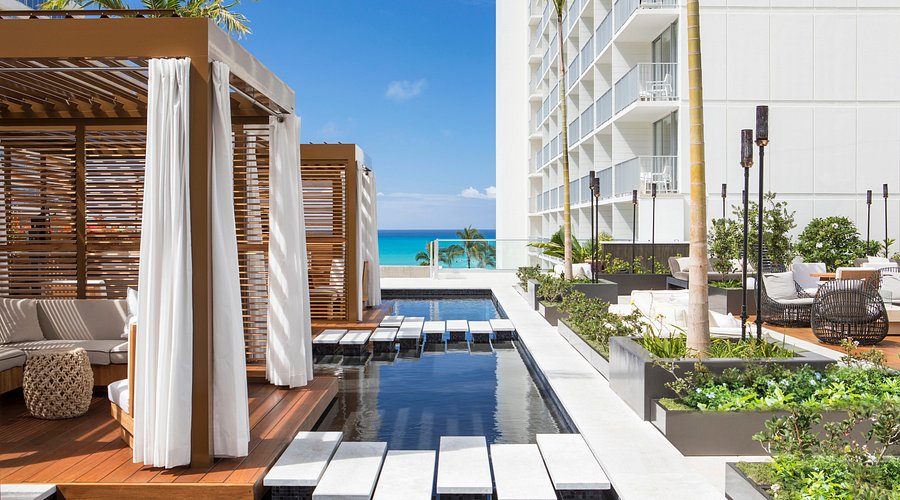
The ‘Alohilani Resort Waikiki Beach, located at 2490 Kalākaua Ave, Honolulu, HI 96815, is a stylish, 5-star oceanfront sanctuary that seamlessly blends contemporary urban luxury with a deep respect for Hawaiian heritage. Designed by the acclaimed Rockwell Group, the resort features 839 sleek guest rooms and suites with breathtaking views of the Pacific Ocean or the iconic Diamond Head. It stands out for its unique, upscale amenities, most notably a captivating three-story, 280,000-gallon saltwater Oceanarium right in the lobby, which is home to over 1,000 native marine animals. Guests can also enjoy the vibrant Swell Pool Deck, a fifth-floor rooftop oasis with an infinity pool, private cabanas, and nightly video art projections, alongside world-class dining options by celebrity Iron Chef Masaharu Morimoto, including Morimoto Asia and Momosan Waikiki.
This program can also be delivered as a tailored in-house training for your organization. We adapt the content to your industry, objectives, and level of maturity, focusing on real challenges your teams face and the decisions they need to make. In-house formats allow your people to align on a shared approach, work through relevant scenarios, and build skills they can apply immediately.
If you’re exploring an in-house option, tell us a bit about your team, priorities, and timing, and we’ll recommend the right format.
Contact us about in-house training