





After a sold-out Zurich edition, we return to Brussels with a more advanced, implementation-focused agenda.
AI is changing who controls the narrative—and how fast you can lose it.
Most organisations are not ready.
This Boot Camp is built for communicators expected to make decisions, manage risk, and lead AI adoption.
Because when AI impacts your organisation, you don’t get time to figure it out.
You are expected to:
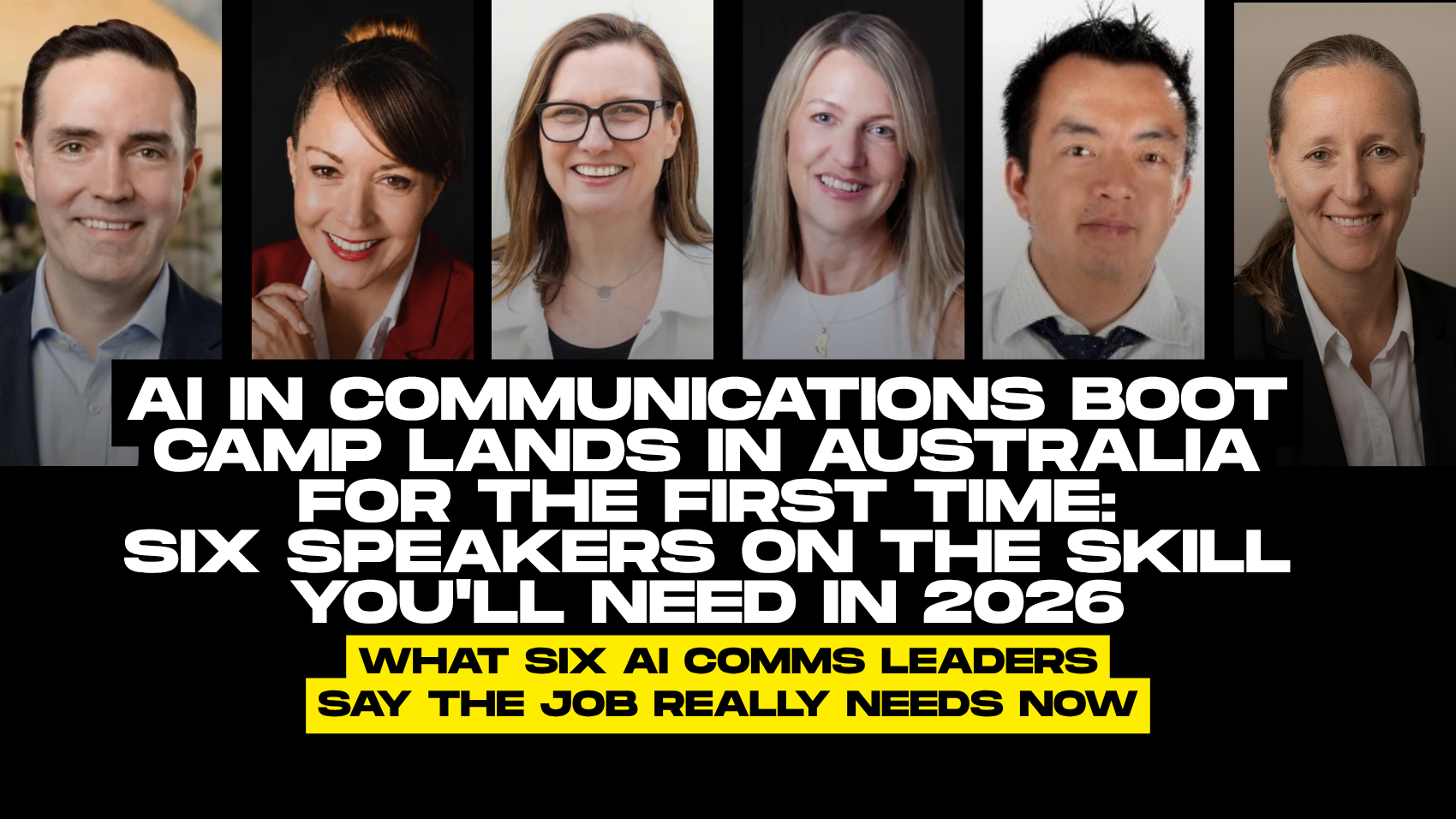
You will learn directly from leaders at Anthropic, Edelman, Mondelēz International, Belgian Senate, Verizon, McMaster University—professionals dealing with these challenges inside complex organisations.
You don’t just learn. You build.
You leave with a system you can start using immediately.
All attendees receive a Certificate of Attendance from the McMaster University Master of Communications Management Executive Education program.
This is not just training.
It is a recognised executive learning experience for communicators leading AI implementation.
Many organisations are sending teams to ensure alignment on AI strategy, governance, and workflows across communications functions.
Contact us today to secure a group discount and equip your team with a shared, practical approach to AI.
 Brochure download
This practical session takes a deep dive into how communications professionals can use AI in their day to day work, focusing on where AI actually adds value, how to build it into existing workflows, and how to use it to free up more time for the strategy, judgment, and narrative work that requires a human touch. The session will also explore some of the basics of how AI models are built, alongside key considerations communicators should keep in mind as they begin using AI more regularly in their work.
Paruul Maheshwary, Communications Lead, Anthropic
Right now, many communicators are being asked to “figure out AI” without a clear role or mandate. At the same time, expectations are rising around speed, output, and strategic impact. This session focuses on how you can redefine your role in an AI-driven organisation, moving beyond execution to shaping how AI is used, governed, and communicated. You will leave with a clearer understanding of where you add value and how to step into a more strategic position.
Sebrina Kepple, Global Security Communications Lead, Verizon
AI-driven deepfakes and coordinated disinformation are turning crises into fast-moving, high-impact reputation threats where false narratives can outpace facts within minutes. This session is designed to give communications leaders a clear, practical advantage—showing you how to spot early warning signals of manipulated content, verify what is real under intense time pressure, and activate a structured response before the story escalates. You will gain hands-on insight into how these campaigns are built, where organizations are most exposed, and how to use monitoring tools, verification techniques, and rapid-response protocols to protect your brand and leadership. By the end, you will walk away with a focused, actionable approach to managing AI-driven crises with speed, confidence, and control.
Oliver Hayes OBE, EMEA Head of Counter-Disinformation, Edelman
As AI reshapes content creation and consumption, communicators must seize its potential without compromising brand trust. This session shows how to identify emerging risks early, understand shifting audience expectations around AI content, and make smart decisions about where AI can enhance the communications workflow and brand impact. Learn how to apply AI in a way that supports your brand, safeguards trust, and delivers stronger, more effective communication.
Julia Holmes, Head of Communications, EMEA & Japan, Getty Images
AI is transforming how government affairs leaders monitor policy, map stakeholder sentiment, and shape advocacy strategies—but with new opportunities come new responsibilities. In this session, you will explore how to integrate AI tools responsibly into public affairs, balancing innovation with integrity, avoiding bias and disinformation, and ensuring transparency and accountability while building scalable, ethical strategies that strengthen stakeholder trust.
David Mills, Corporate and Government Affairs Director, European, Markets Mondelēz International
Six years ago, at the height of the COVID-19 response, Peter Heneghan was helping run communications from inside 10 Downing Streetas the UK Government’s Chief Digital Communicator.
The operation relied on an unusually joined-up model. Strategists, content producers, analysts, behavioural scientists and policy specialists worked from the same evidence and narrative, with fast decisions and clear sign-off. It worked, but required a building full of people working around the clock.
AI changes what that model can become. Many of those capabilities can now be connected through a technology-powered system, giving much smaller teams access to coordination, intelligence and production that once required far greater resources.
This two-hour session puts that idea to the test.
Working in teams, participants will tackle a fast-moving scenario: developing strategy, identifying audiences and influencers, creating content, monitoring the environment and responding to a reputational crisis involving a suspected deepfake.
Today, most communications teams have AI scattered across separate tools and workflows. The bigger opportunity is to bring organisational knowledge, playbooks, brand, live intelligence, creation and approval into one governed system.
Peter Heneghan, Former Digital Communications Director, 10 Downing Street
This full-day, professional-level training equips you with practical, immediately usable skills to apply generative AI in communications and marketing work. The focus is on safe, strategic use with measurable impact—helping you understand how modern AI tools actually work, where they can and cannot be trusted, and how to manage risks such as hallucinations, confidentiality, and brand voice drift.
What You’ll Learn
You gain a clear, practical understanding of how generative AI fits into real communications environments, including:
- How modern generative AI tools work—and where they should not be trusted
- How to manage AI-related risks such as hallucinations, confidentiality issues, and brand voice drift
- How to apply human judgment alongside AI to protect credibility, accuracy, and reputation
Applying AI to Real Communications Work
The training is hands-on and grounded in real-world communications workflows you already use, including:
- Turning transcripts into executive briefs and action logs
- Extracting storylines and insights from datasets
- Using AI as a strategic and contrarian thinking partner to strengthen messaging and decision-making
High-Value AI Use Cases for Communicators
You explore advanced, high-impact applications of AI that are shaping modern communications, including:
- Avatar-enabled video workflows
- Generative Engine Optimization (GEO) to improve discoverability in AI-driven search and summaries
- Advanced structured prompting (JSON/XML) to create consistent, reusable outputs at scale
Capstone Build
You design a practical CustomGPT or Copilot-style assistant tailored to a real communications task, such as:
- Brand voice and compliance checks
- Press release-to-social content kits
- Issues and reputation triage
- Executive briefing generation
What You Take Back to Work
You leave with:
- Practical templates and reusable prompt libraries
- A clear 30-day implementation plan
- Skills you can apply immediately in day-to-day communications work
Alex Sévigny, Professor (Tenured) of Communications Management and Communication Studies, McMaster University
Sponsoring a P World event places your brand inside a high-trust environment with influential decision-makers who shape strategy and opinion. Sponsors are positioned as credible partners through meaningful visibility, thought-leadership alignment, and direct engagement, creating lasting brand value beyond the event itself.
Sponsorhip brochure download (162 kB)
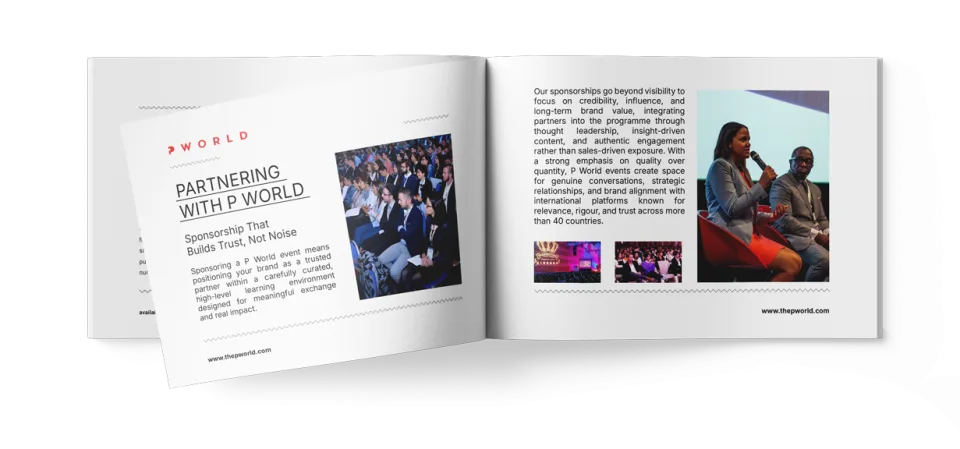
Download our Sponsorship Brochure
Explore all sponsorship packages, benefits, and pricing.

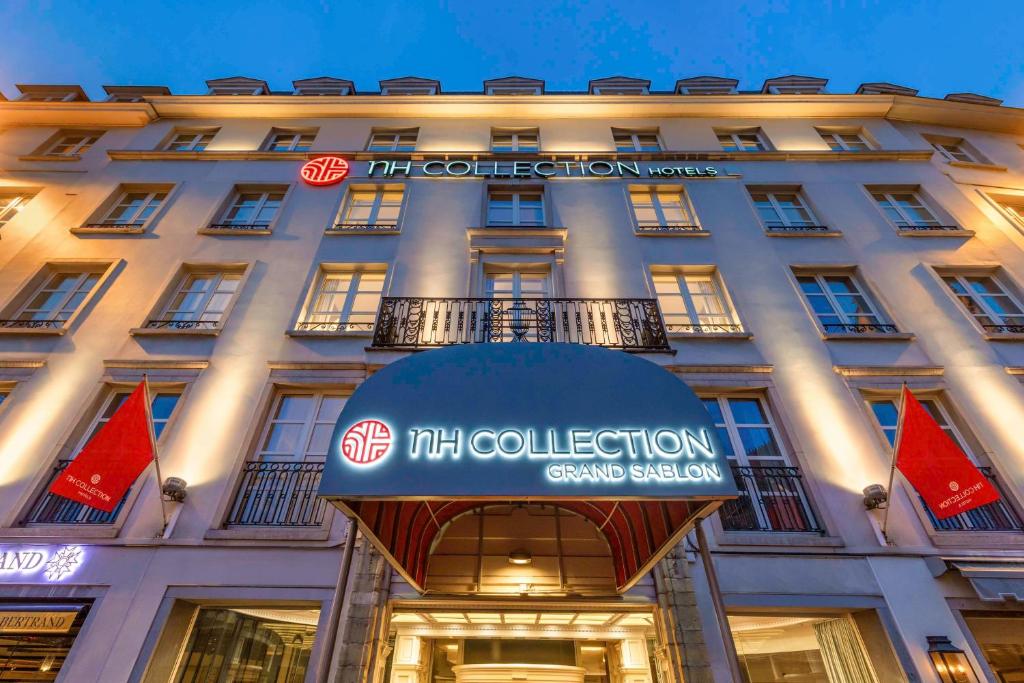
Address: Rue Bodenbroek 2, 1000 Bruxelles, Belgium
Phone: +32 2 518 11 00
NH is situated on the historic Grand Sablon Square, 5 minutes’ walk from the Magritte Museum and 400 meters from the Central Railway Station. It features a 24-hour front desk and free WiFi in throughout the entire property. The air-conditioned rooms at NH Hotel du Grand Sablon include a minibar and satellite TV with pay-per-view films. Free toiletries are provided. Guests can enjoy an American-style breakfast in the restaurant each morning. Room service is available. Petit Sablon tram stop is 120 metres away. Hotel du Grand Sablon is a 10-minute walk from Grand Place. The famous Avenue Louise shopping area is 10 minutes’ walk away.
This program can also be delivered as a tailored in-house training for your organization. We adapt the content to your industry, objectives, and level of maturity, focusing on real challenges your teams face and the decisions they need to make. In-house formats allow your people to align on a shared approach, work through relevant scenarios, and build skills they can apply immediately.
If you’re exploring an in-house option, tell us a bit about your team, priorities, and timing, and we’ll recommend the right format.
Contact us about in-house training AI in Public Relations