
November 25th
10 am - 4 pm (CET)
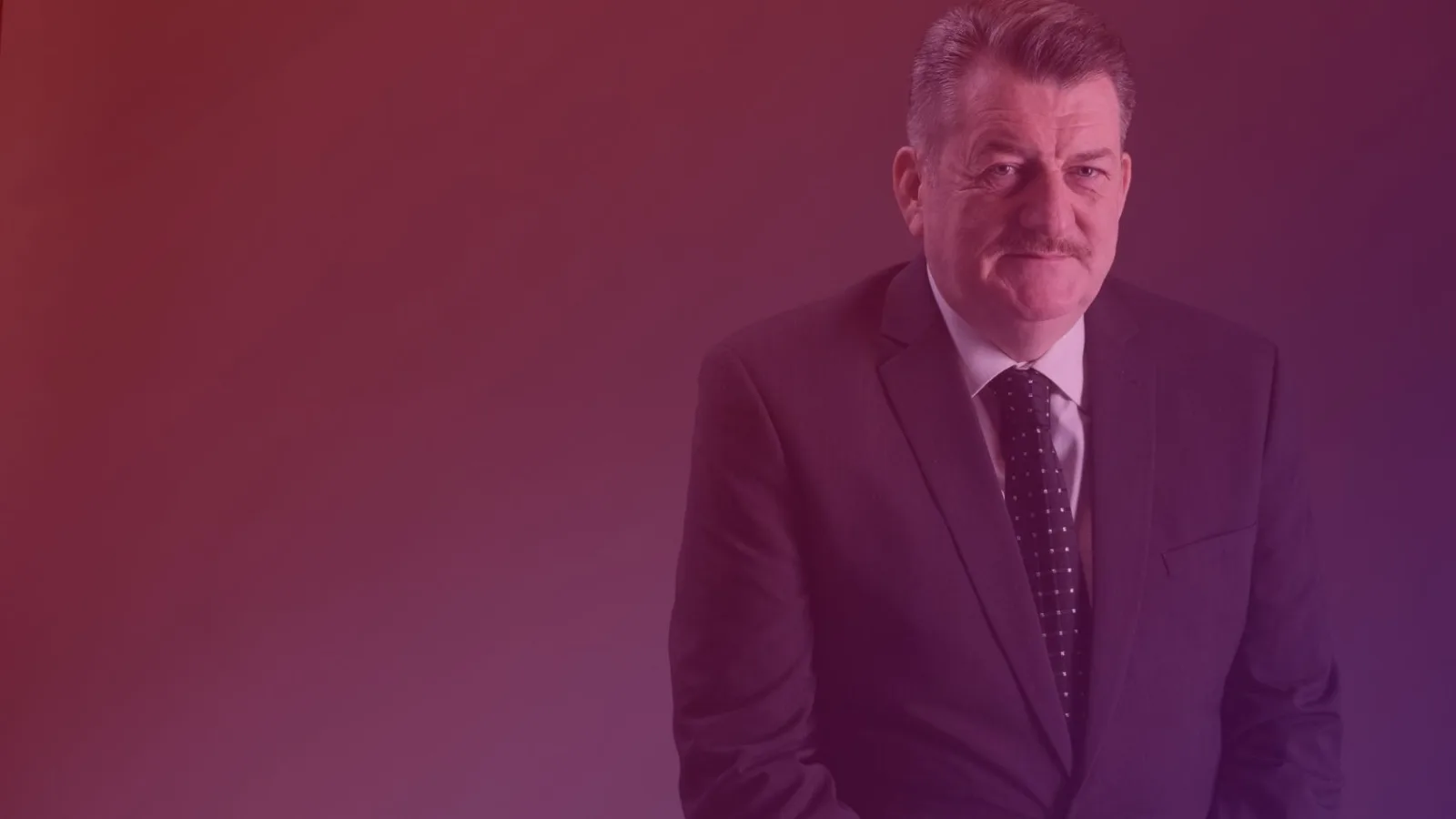
WELCOME TO OUR ALL NEW, CRISIS COMMUNICATIONS WORKSHOP WITH OUR BEST RATED CRISIS COMMS SPEAKER - DONALD STEEL!
Recent crisis round the world have demonstrated that a failure in crisis communications is never down to a rarified and complex technical cause. Failure is almost always a result of failing to follow the basic rules - telling the truth, communicating quickly, staying victim focussed or speaking with one voice.
In this all-new crisis workshop with Donald Steel, we drill down to focus on how your organisation can retain control of the narrative through the use of social media and through enhancing capability to undertake aggressive media interviews. We examine how advance preparation is the key. This fully interactive workshop will be based around an extremely challenging scenario. Come prepared to work in virtual teams to make communications decisions and share the learnings with each other.
In his own practice, Donald works with individual, corporate and NGO clients around the world on crisis readiness and response. His clients range from leading broadcasters and entertainment organisations, government departments and UN Agencies, regulators, FMCG companies and high profile individuals.
He is in demand as a speaker on crisis and reputation issues. Recent assignments include Singapore, Lausanne, Toronto, Boston, New York (at One World Trade Center), Sydney and Muscat. He has twice led workshops at the International Government Communications Forum in Sharjah, United Arab Emirates, and has made repeat keynotes at the Global Congress of the Association of Anti-Corruption Authorities in Hong Kong.
PLEASE NOTE, this course is limited to 40 participants only!
The management of communications is more challenging than it has ever been. Social media and the camera phone drive the narrative in a crisis at lightning speed. Even the best rehearsed and resourced organizations can find themselves on the back foot when a crisis happens.
How can we ensure this will never happen in our own organization? It is not what happens to your organization that will define your reputation. It is how you deal with it.
At the end of this workshop you will:
About Your Expert Course Leader:
Donald Steel is Director, Crisis Communications, at Kenyon International Emergency Services, the world’s most admired disaster response company. For more than a century, Kenyon has supported companies and authorities in incidents involving mass fatality or injury, from aircraft incidents to natural disasters, terrorism and fires. Donald leads a team of crisis communications directors based around the world ready to support clients within minutes of a major incident.
A former radio presenter and producer, he was for eleven years the chief media spokesman at the British Broadcasting Corporation in London.
He is a member of Aviation Futures, the think tank of the UK Civil Aviation Authority, and a director at Johnston Associates, the UK’s foremost aviation public relations agency.
10.00 Interactive scenario part one
- The new crisis communications timetable
- Getting ahead of the narrative on social media
- Staying victim focussed
11.00 Interactive scenario part two
- Building the statement blocks in a crisis using social media
- The role of the CEO on social media and why they must be reheased
- Building public confidence
- Types of crisis narrative such as Heroes and Villains
12.00 Lunch Break
12.30 Interactive scenario part three
- Establishing the dominant narrative
- Avoiding losing control
- Handling aggressive media interviews and recognising question types
- Dealing confidently with emerging issues
13.45 Short Break
14.00 Interactive scenario part three continued
Media interview practice with representatives of groups
15.30 Summary of key points and discussion
16.00 End of Workshop
This program can also be delivered as a tailored in-house training for your organization. We adapt the content to your industry, objectives, and level of maturity, focusing on real challenges your teams face and the decisions they need to make. In-house formats allow your people to align on a shared approach, work through relevant scenarios, and build skills they can apply immediately.
If you’re exploring an in-house option, tell us a bit about your team, priorities, and timing, and we’ll recommend the right format.
Contact us about in-house training